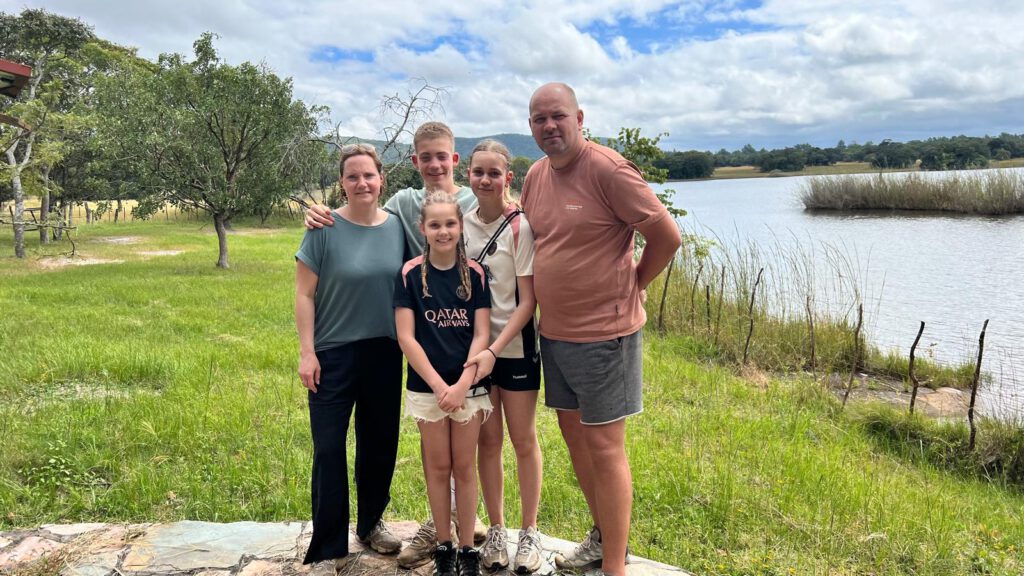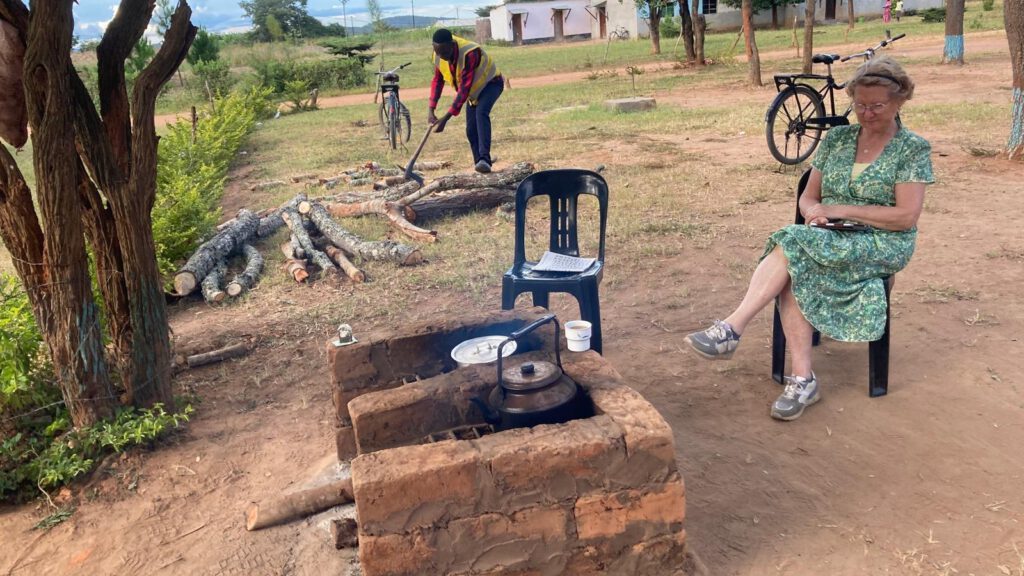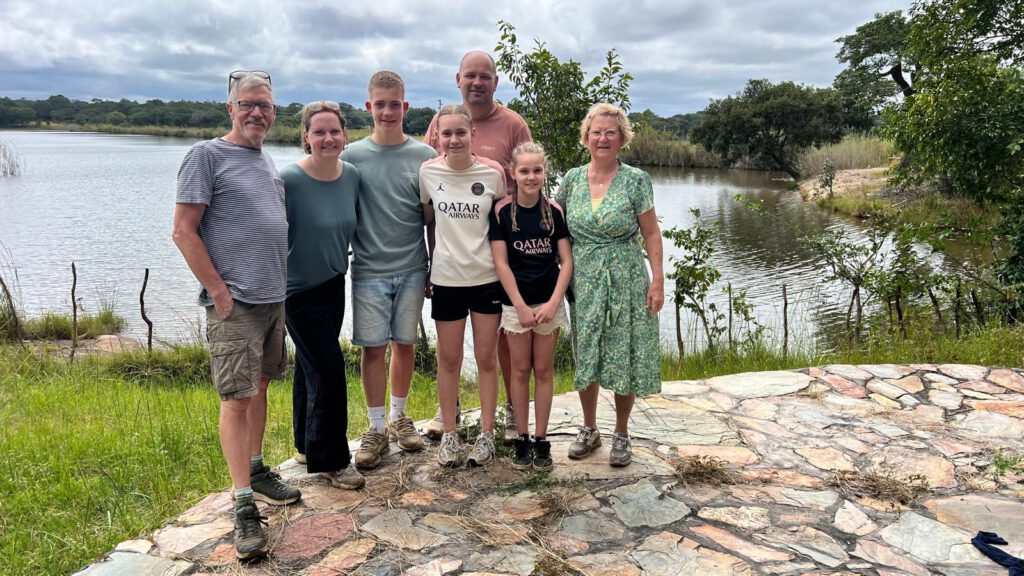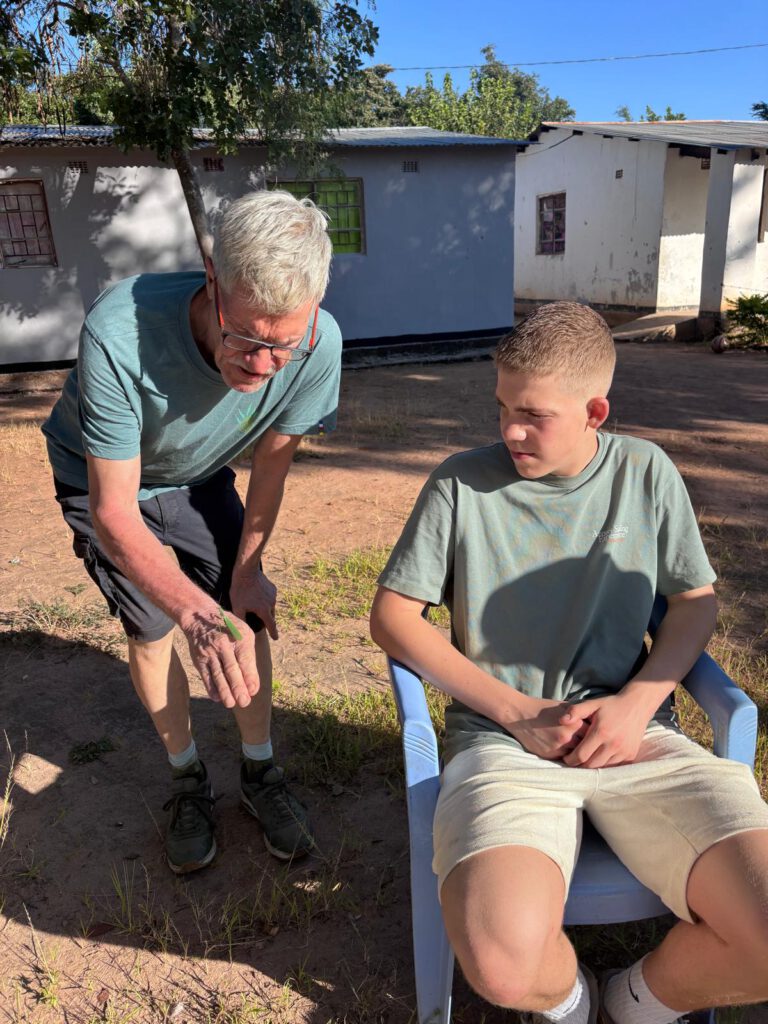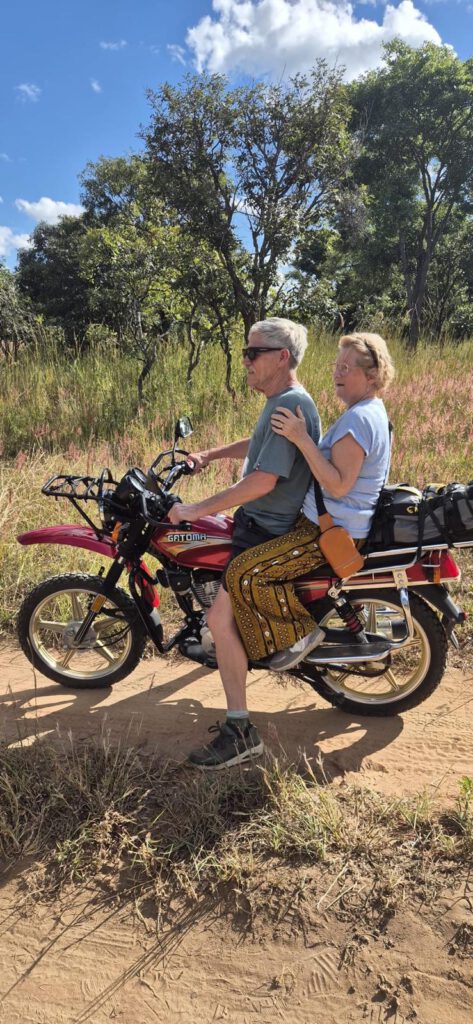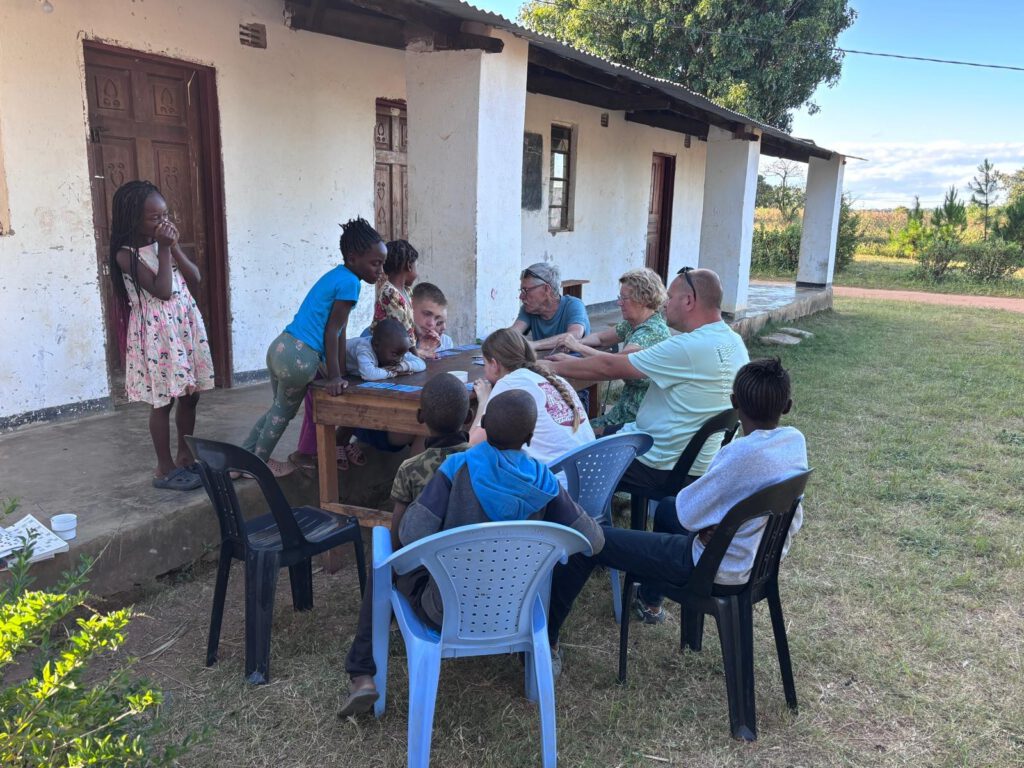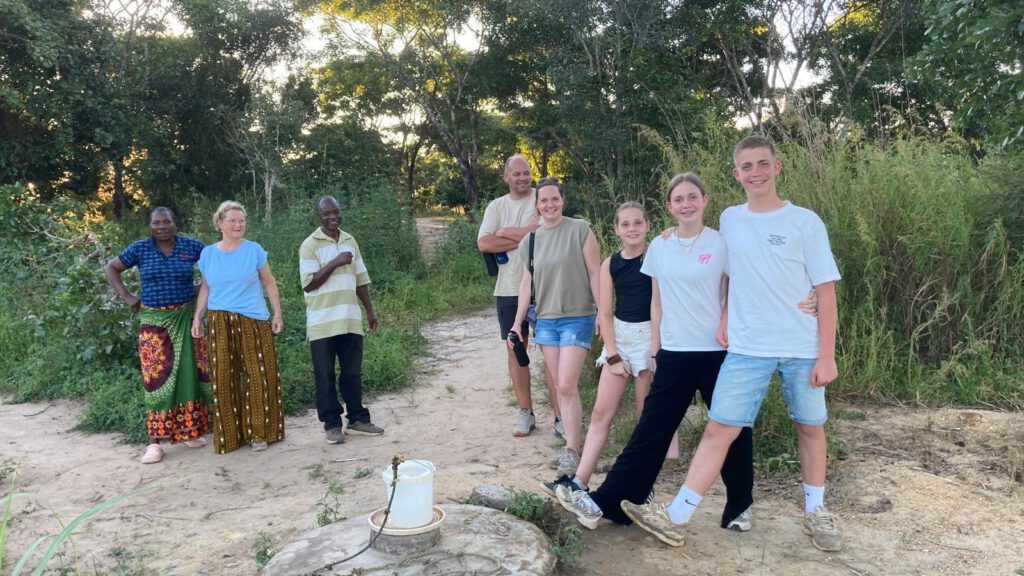



Zambia, Miloso; we went there again this spring, this time with our daughter, son-in-law, and their three children. A great gift and a wonderful experience.
It was a disappointment that Herma, Netty, and Geert couldn’t come along for health reasons; that felt very empty. Fortunately, they are doing well now.
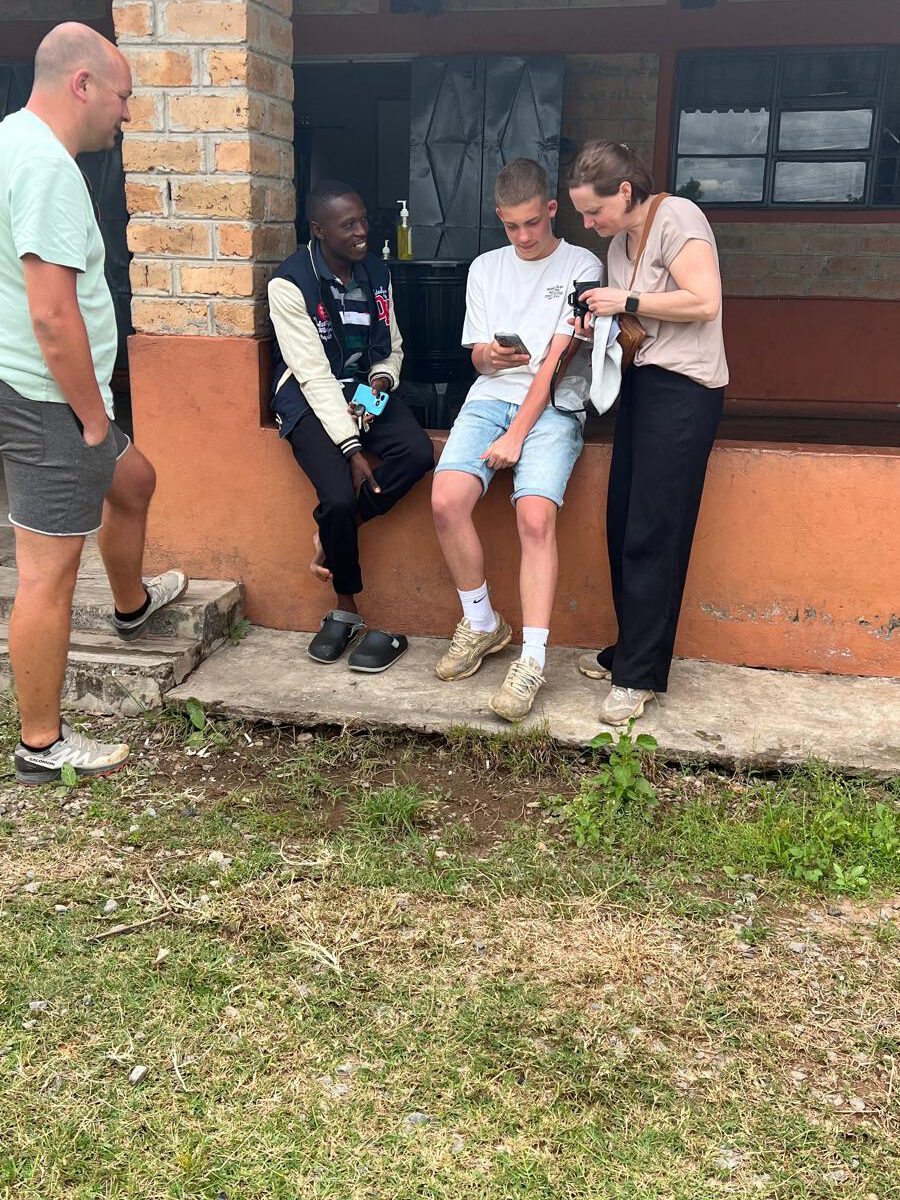
We left just before Easter and spent the first few days in Lusaka to get used to the weather and the surroundings. This was already a very special experience for Jesse (16), Nikki (14), and Liz (10).
For this trip, all three grandchildren were given an extra two weeks off from school to come along; it had to be well-motivated, but permission was granted nonetheless. During our school holidays, it is also a holiday in Zambia, and we felt it was important for them to see and experience the major differences, including in education.
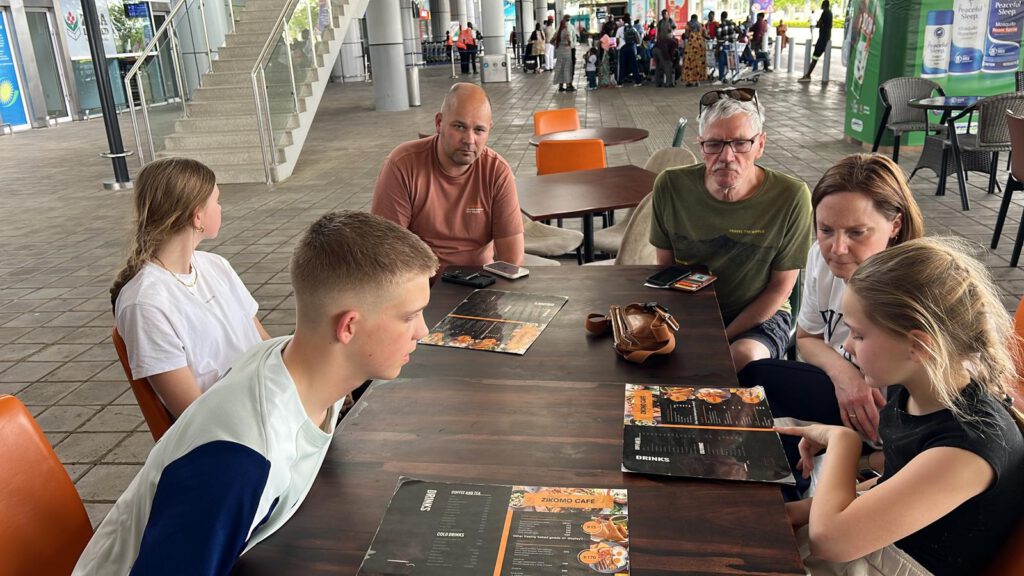
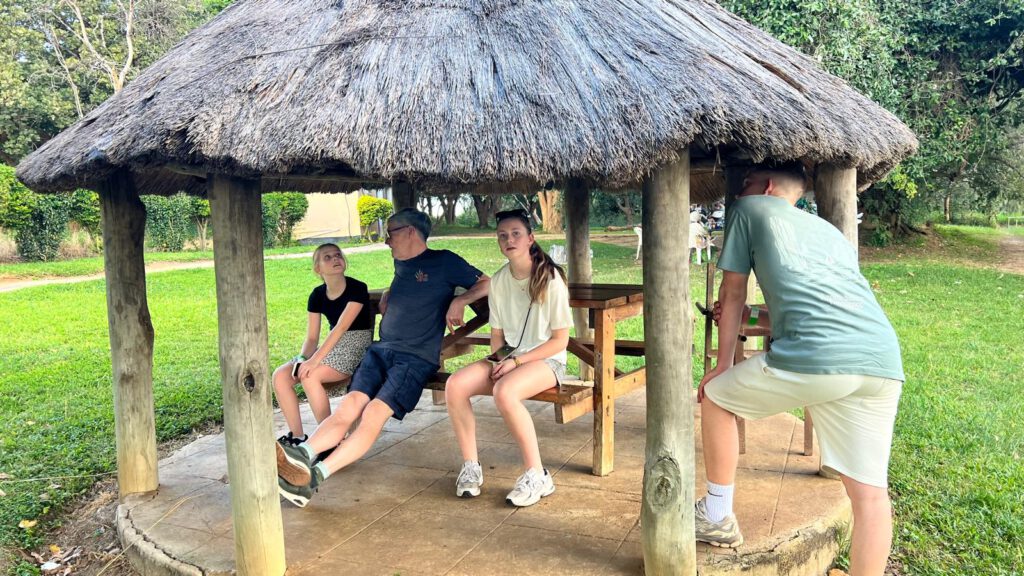
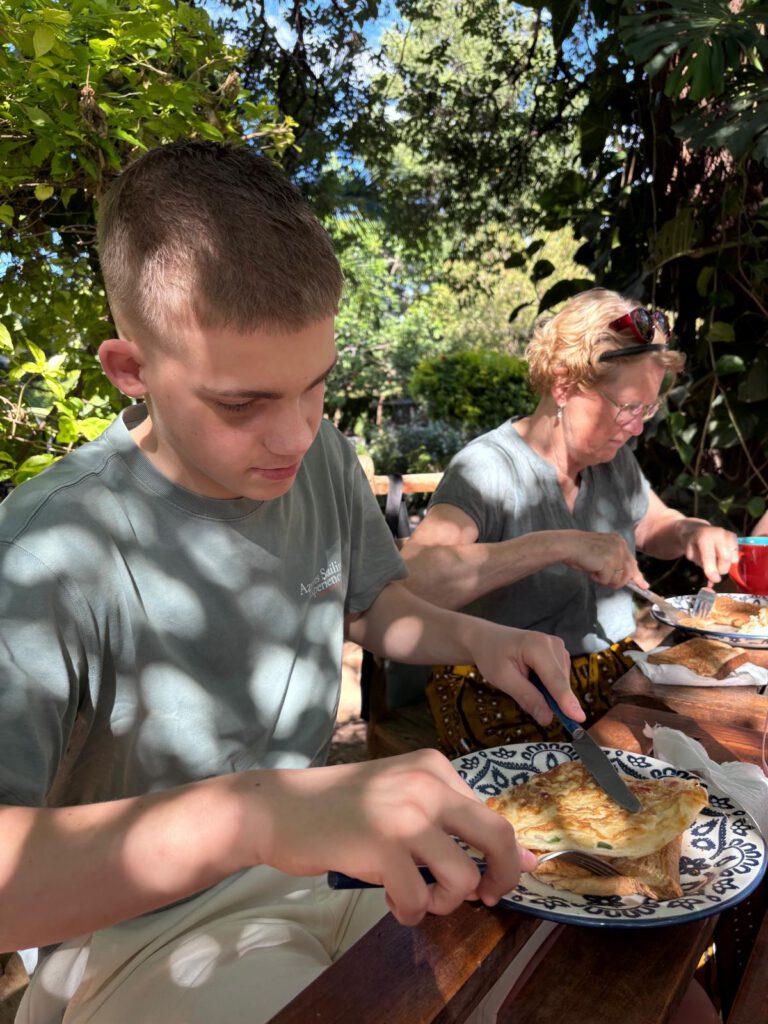
We were very happy that the old guesthouse had been renovated for us! And… there was a bed for everyone, neatly made. The sleeping bags can stay at home next time😊
We enjoy staying at this guesthouse because it is close to the school and the student hostels; that creates a cozy atmosphere and makes it easier to connect with the students and teachers.
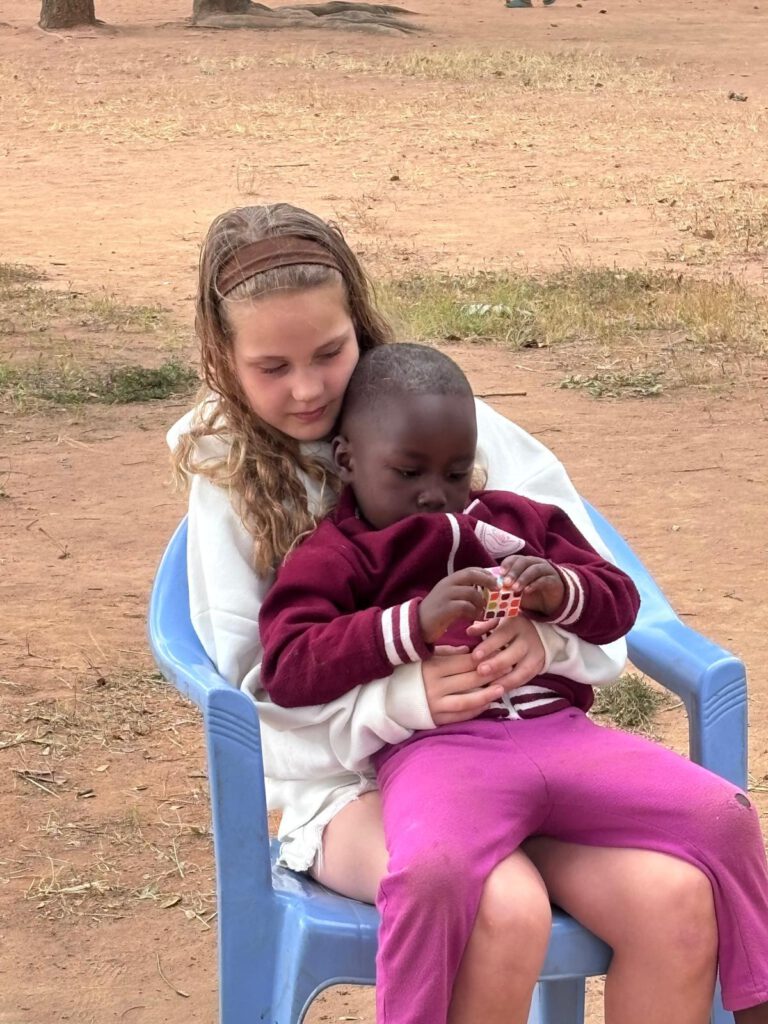
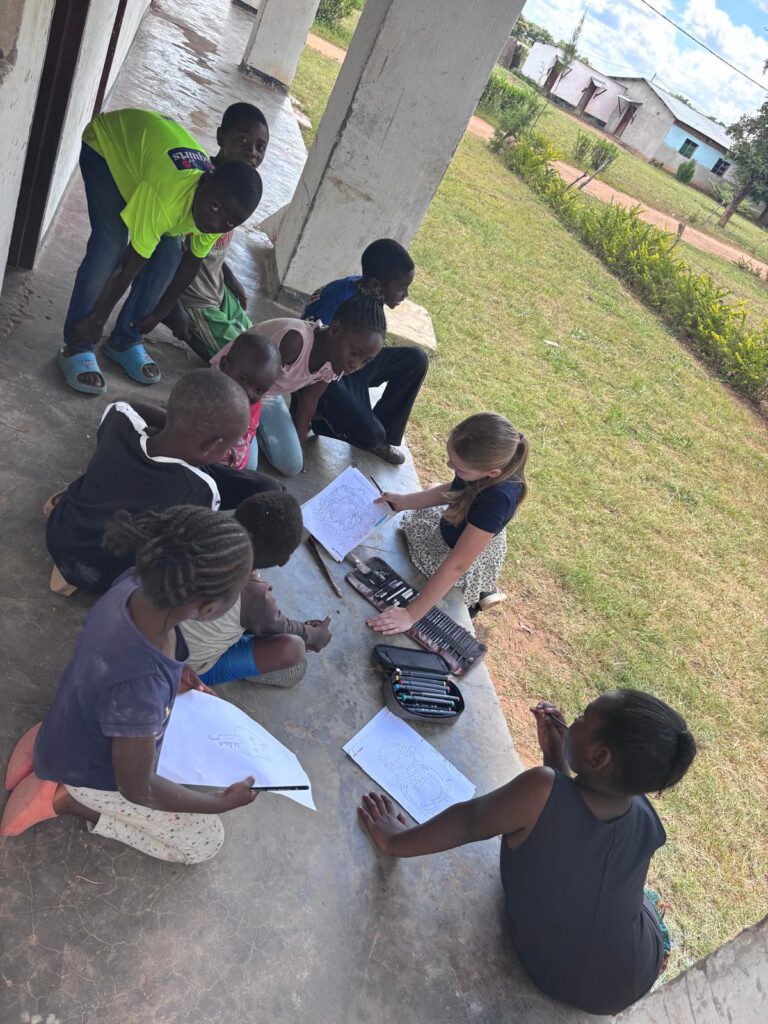
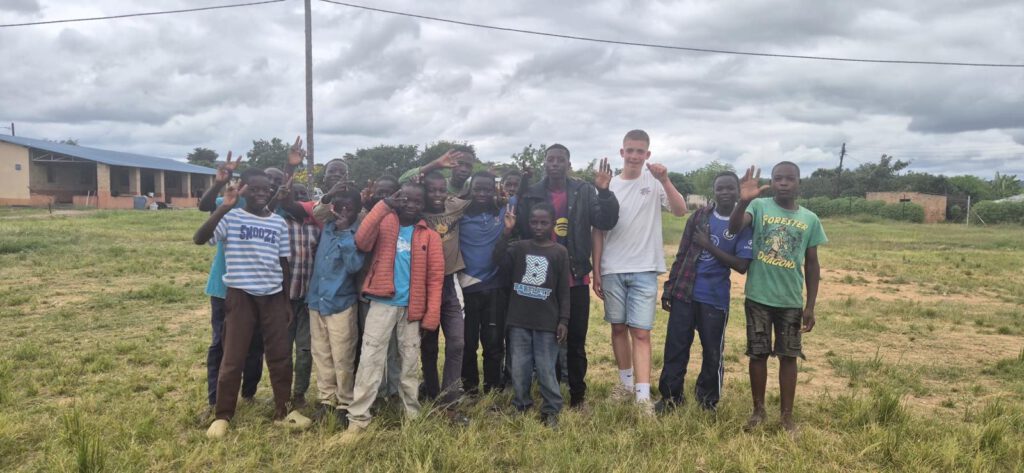
The children quickly bonded with the Zambian children; a football always goes down well! They immediately saw the big difference compared to home: the children in Miloso play with homemade toys made from scraps, and that was inspiring. A handball was made from scraps that they played with the whole time😊. It is so beautiful to see creativity emerge, whereas at home they don’t think about it because they go to the store or order online.
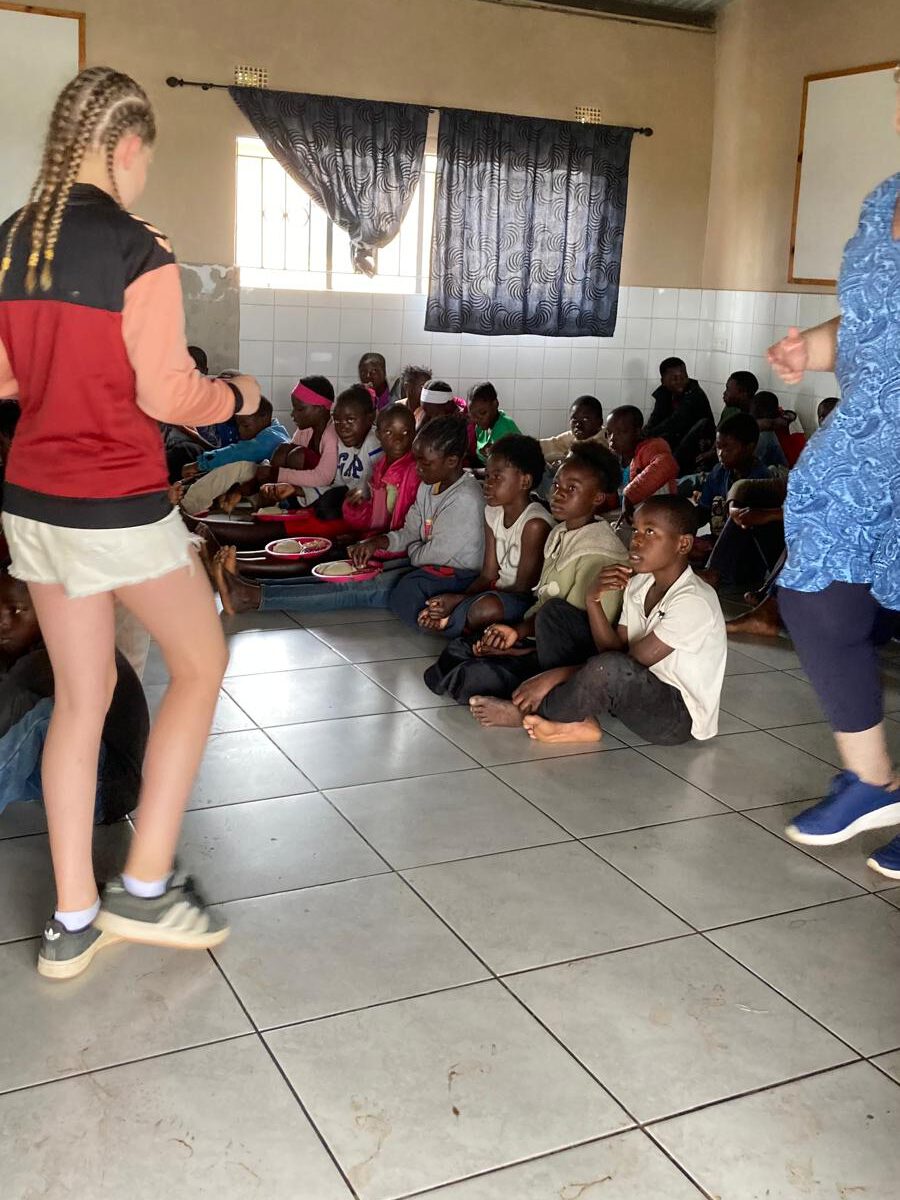
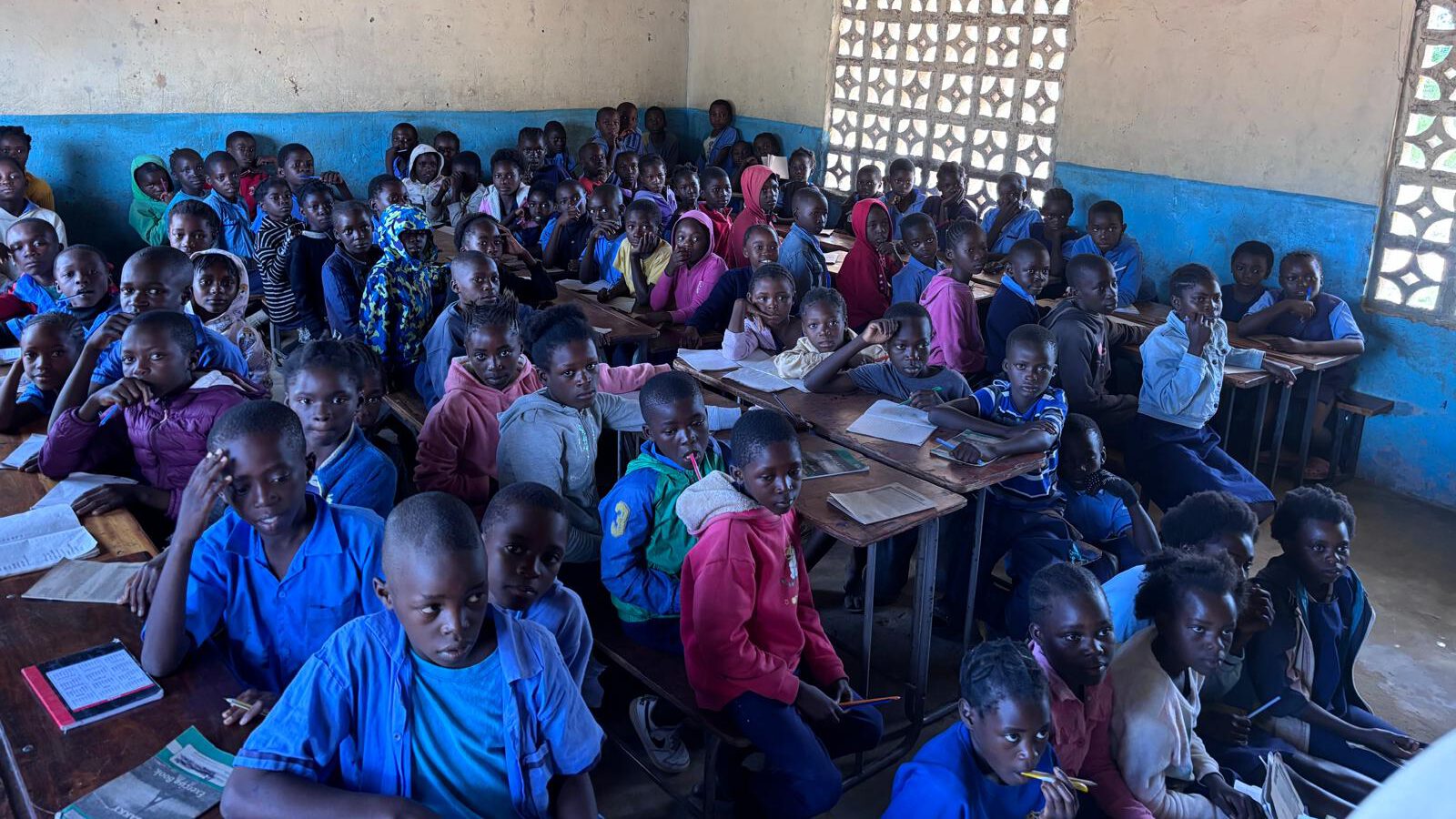
A visit to the primary school in Miloso made an impression; the classrooms are packed. We were invited to enter a class where 80 to 90 children were sitting in one classroom. Three pupils sat at tables for two children, and the other children sat on the floor. The teacher explained that she tested the material from the past period but that teaching effectively was impossible with so many children.
Later, we heard that the first private school is already in Miloso, and the children attending are those of teachers working at the schools, of the larger farmers, and others who have the means to pay for it. This perpetuates inequality…… In 2004, we built a block of three classrooms next to the regular school with a World Servants group, with the goal of offering all children a chance at a good education. It gives us mixed feelings.
What made an even greater impression on the children were the bumpy and dusty dirt roads, the lack of good roads, and all kinds of equipment. In the Netherlands, it is so self-evident that people own a car and everyone has at least one bicycle; for us, that is very normal.
Agriculture
The agricultural project is going great and is very important for the food supply of many families. The project has expanded further; more land is being cultivated again, resulting in a larger harvest. Crops such as corn, tomatoes, soybeans, and vegetables look beautiful. Seedbeds are being used, and the small plants are being transplanted. The first banana trees have also been planted.
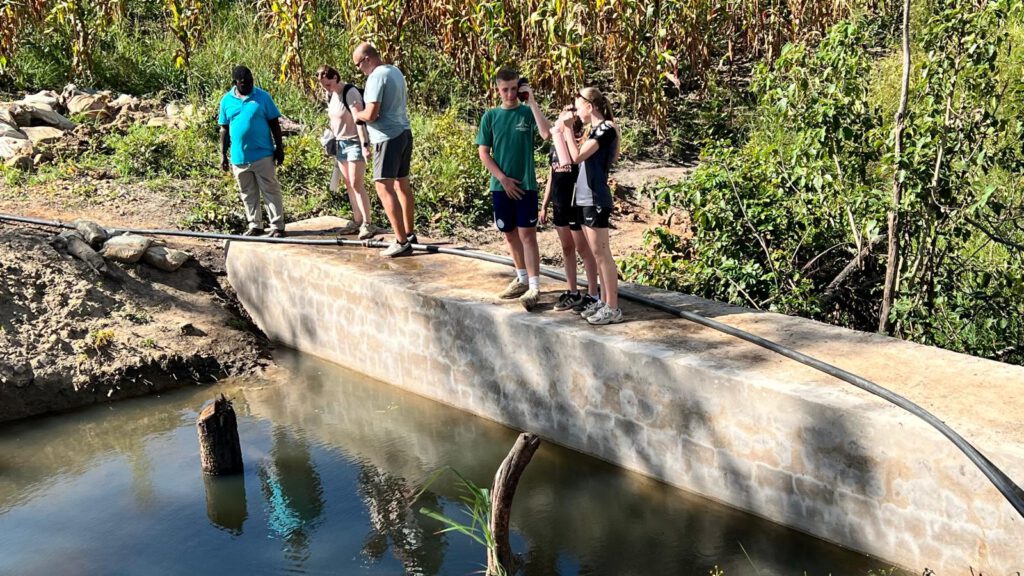
We saw the water dam with our own eyes for the first time; it provides access to a new piece of land where they are growing corn for seeds. This water dam was built without machines; everything was accomplished by human labor. The men and women stood in the clay building. To us, it looked like a ‘wrestling match,’ but it has become a beautiful dam, neatly plastered. Now it provides an extra water supply for agriculture, and an additional water reservoir has also been installed.
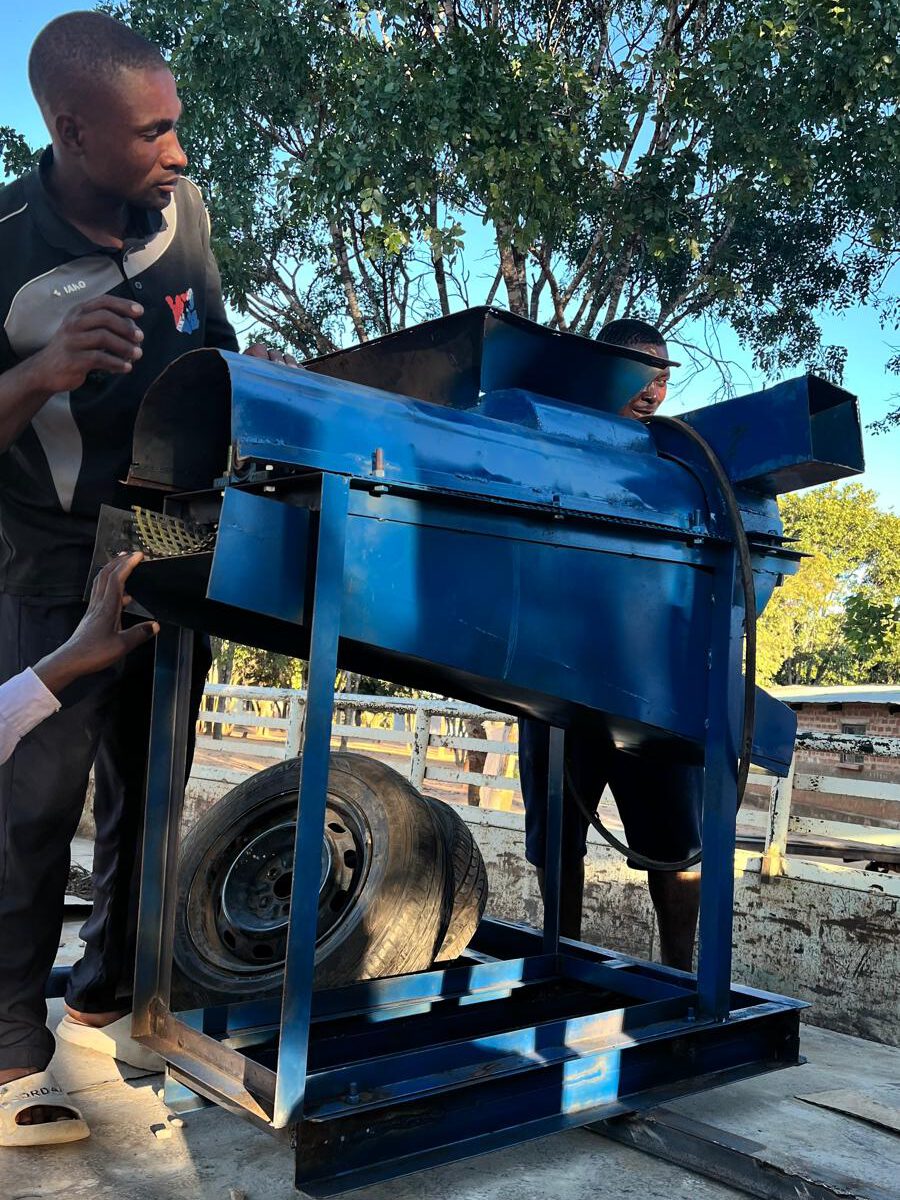
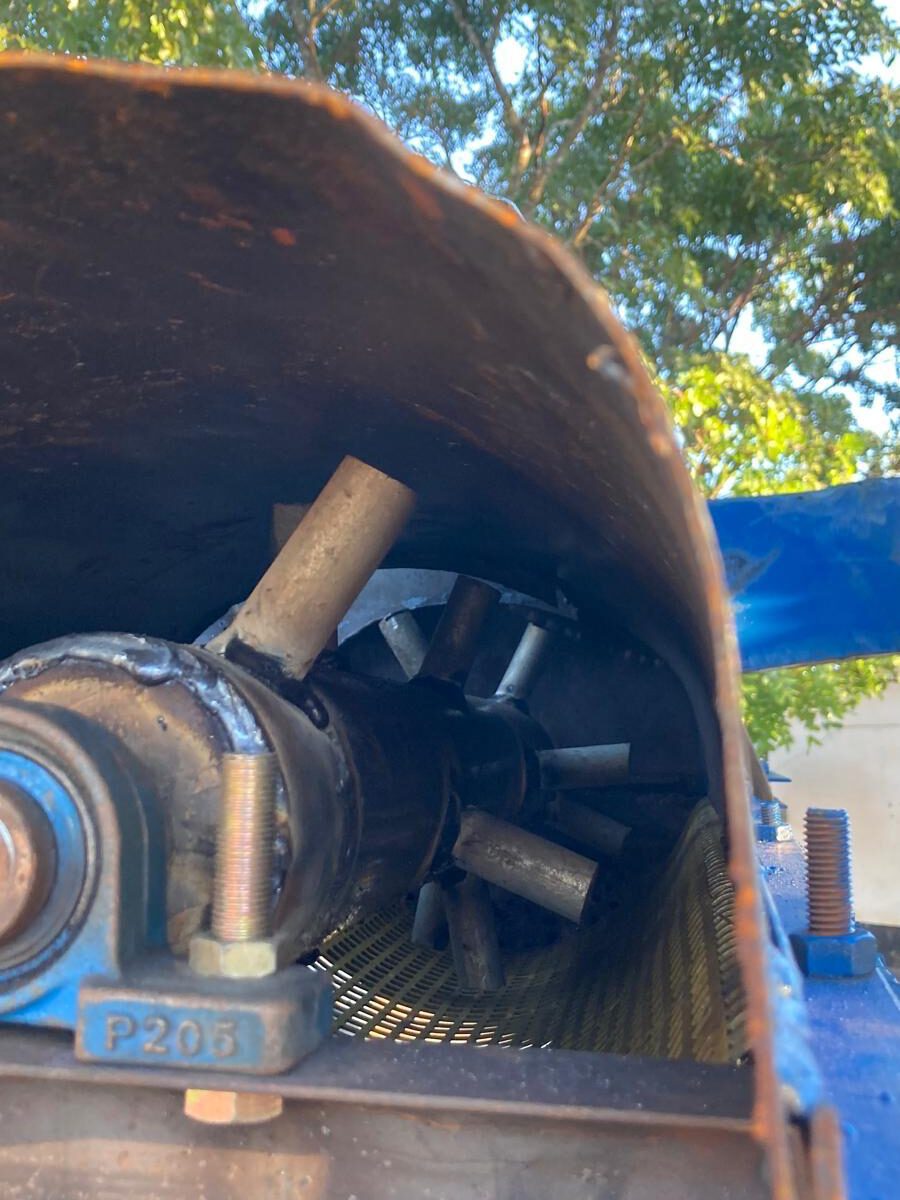
We bought a threshing machine, and it arrived while we were in Miloso. During our stay, it was not yet in use; the harvest began after our departure. We now have photos and a video showing it in operation. This machine makes harvesting soybeans a lot easier, as well as corn and sunflower seeds.
Buffalo bikes
The bikes remain of great value; they make working and living a little easier. Now that we know the bikes need a “grease-up” first, less maintenance is required because fewer problems arise.
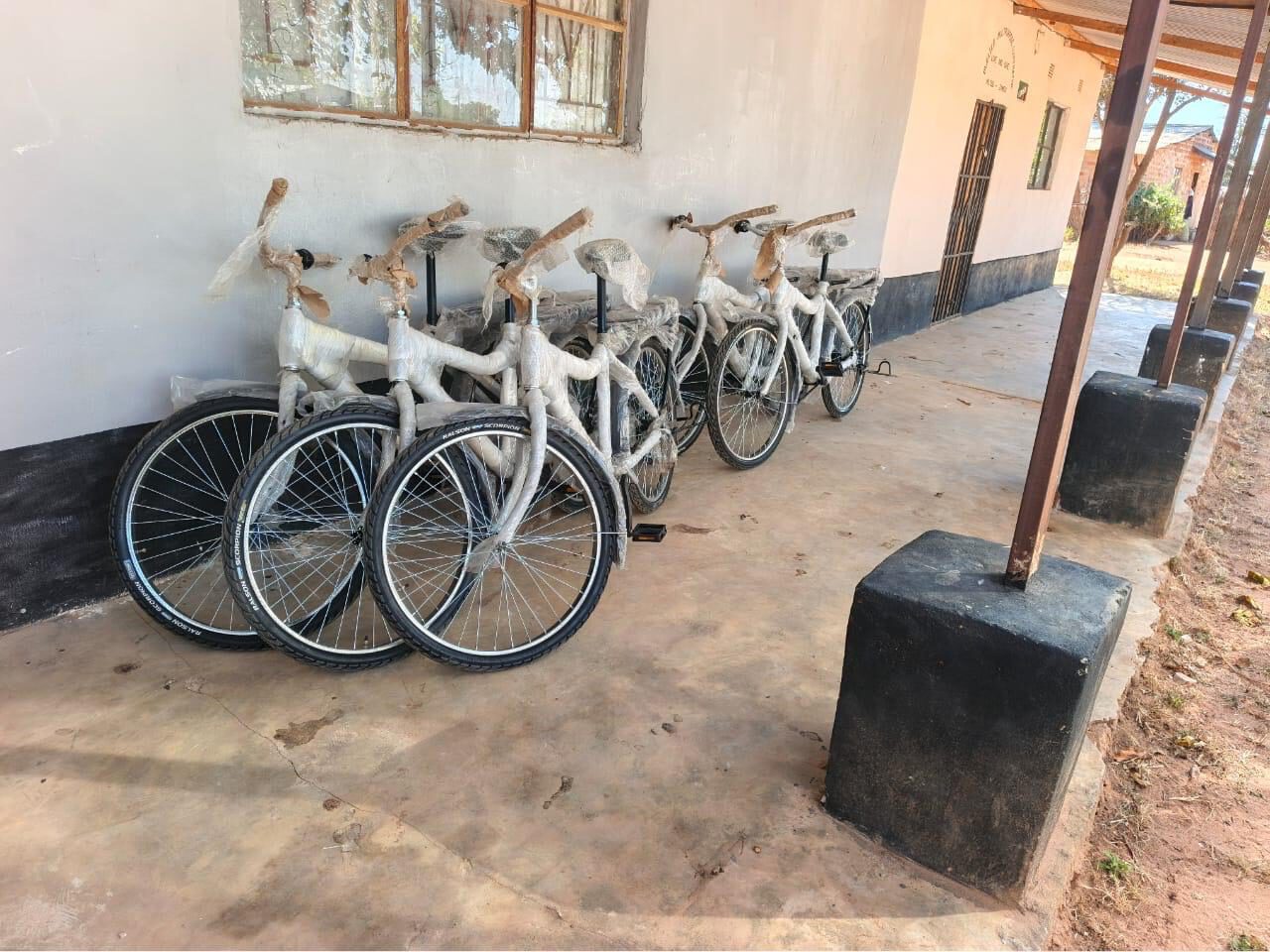
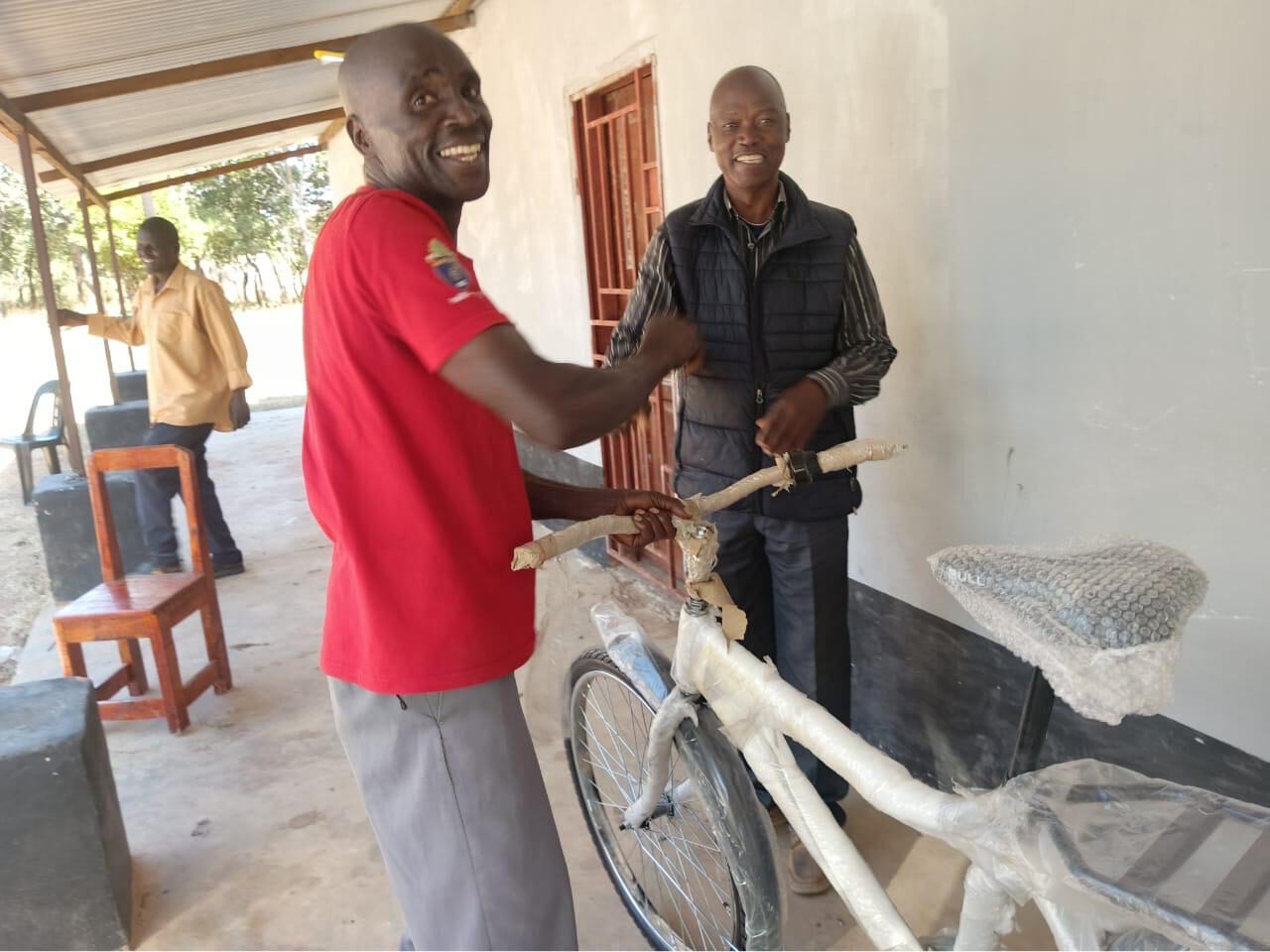
New bikes had been ordered, and we had hoped they would already be here, but just like in the Netherlands, there are sometimes problems with product delivery. Fortunately, the bikes are here now, and the new owners are very happy with them.
Now that Felix has started studying, the maintenance of the bikes has been taken over by Living.
Living has moved to Miloso with his wife and two small children; he also handles the bike maintenance. Another training session was held to familiarize Living with the bikes, but it was also a great way for the others to refresh their knowledge.
Felix started his training as a car mechanic in 2025 and he is really enjoying it! Sometimes he sends a photo showing him gaining practical experience. People in Miloso are proud of him because he is achieving good results. This is his second and final year of study; he hopes to complete his studies in December. In 2027, we hope to be able to award someone a scholarship again.
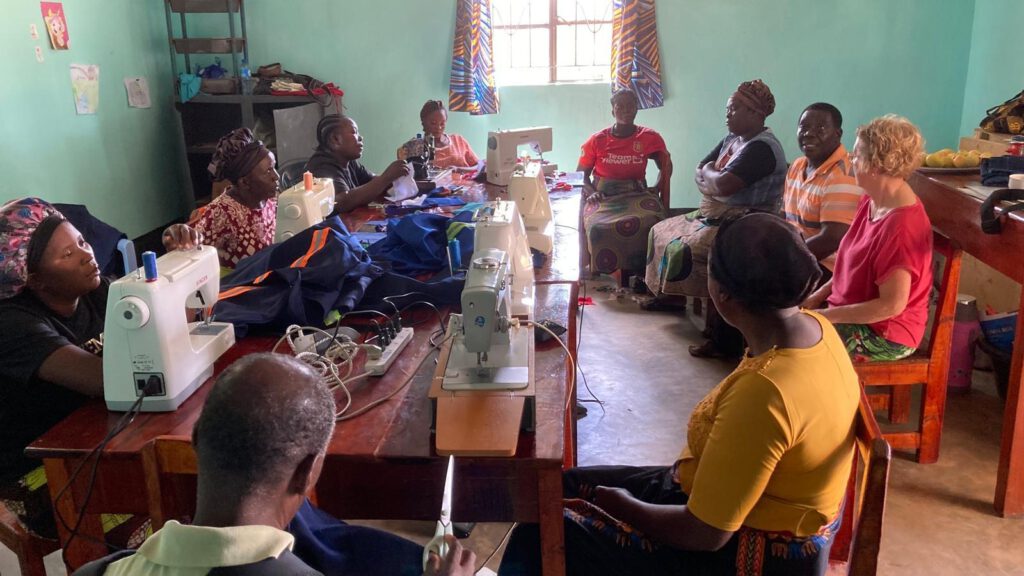
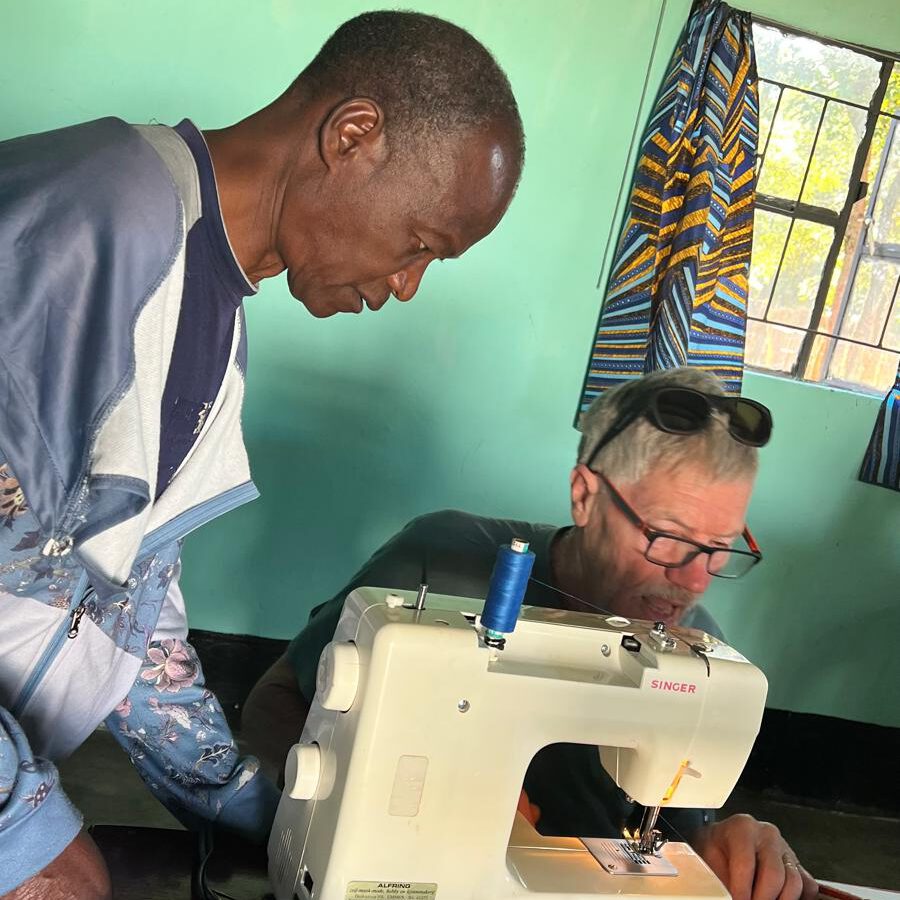
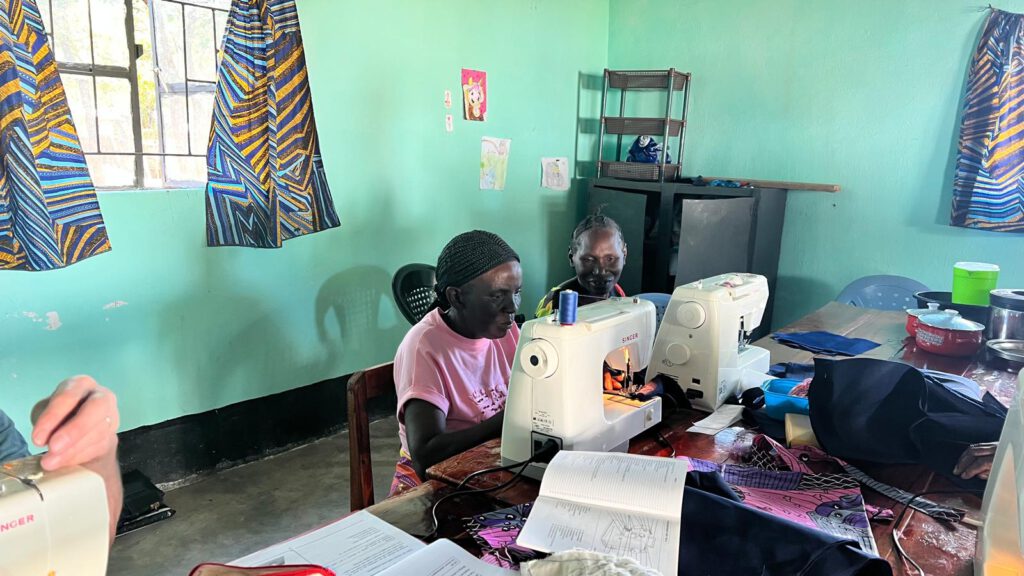
In the sewing workshop, there was a request to help the ladies make work clothes. Trousers and jackets are made from sturdy fabric with reflective strips sewn on. Intensive practice was done on making slit pockets and sewing zippers (flys) into the work trousers.
The chickens are Naijo’s pride; he and his family now live next to the chicken coop. During the time we were there, the large chicks grew considerably, and they were young chickens when we left. They were initially kept together in one pen, and later they were divided between two pens so they had more space.
The oil press purchased in 2025 is being put to good use; locals also come with their own harvested soybeans to have them pressed and go home with a bottle of oil. We noticed here that the hygiene rules still deserve extra attention, and we discussed this with Michael immediately.
English lessons
In Miloso, there are young people and adults, as well as a few women from the sewing workshop, who do not speak English.